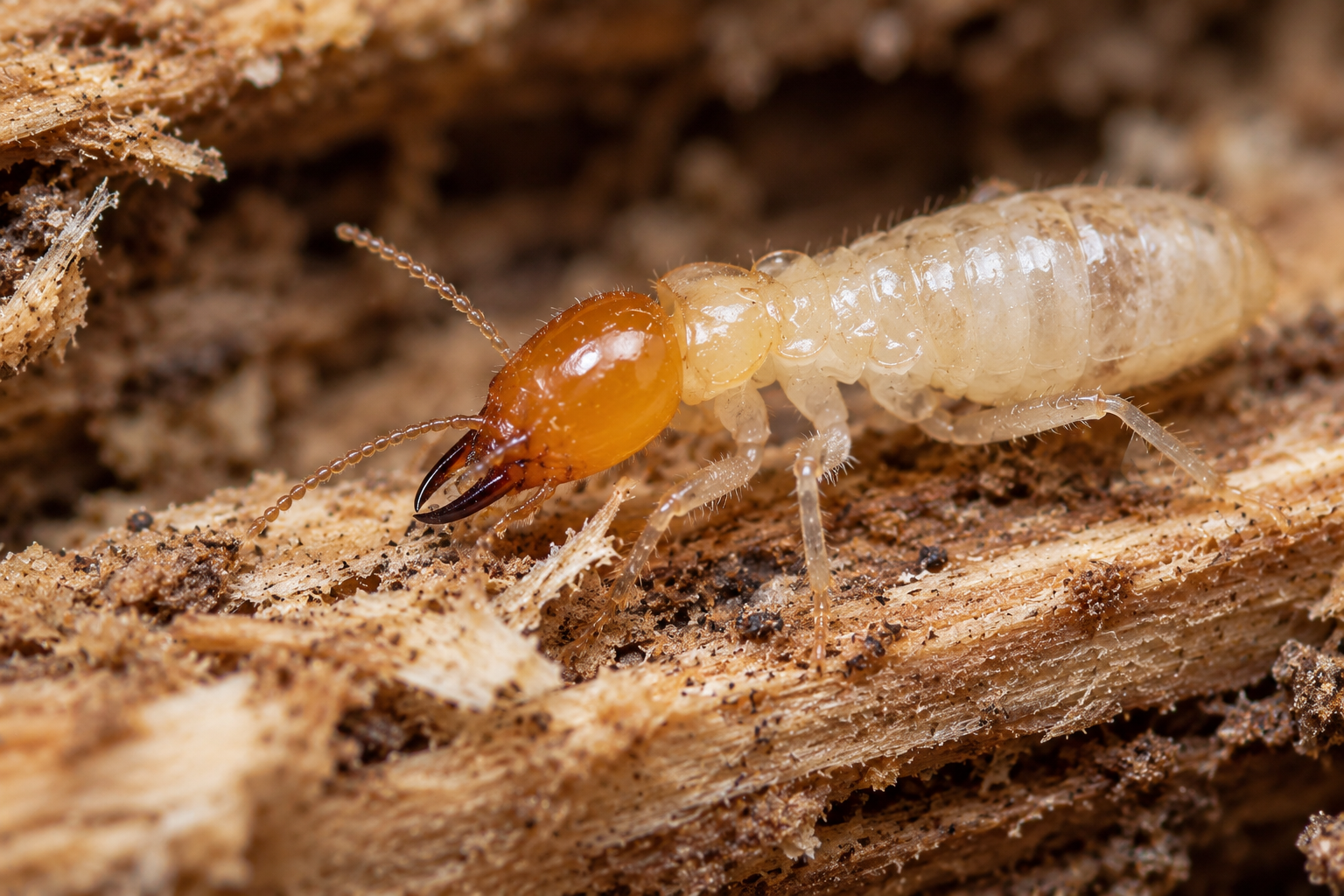
Termite Control in Gauteng
Protect your home and property with professional termite control.
We identify, treat and help prevent termite activity using proven, targeted solutions.
Signs of a Termite Problem
Termites can cause serious structural damage, often before they are noticed. Look out for these common signs around your home or building.

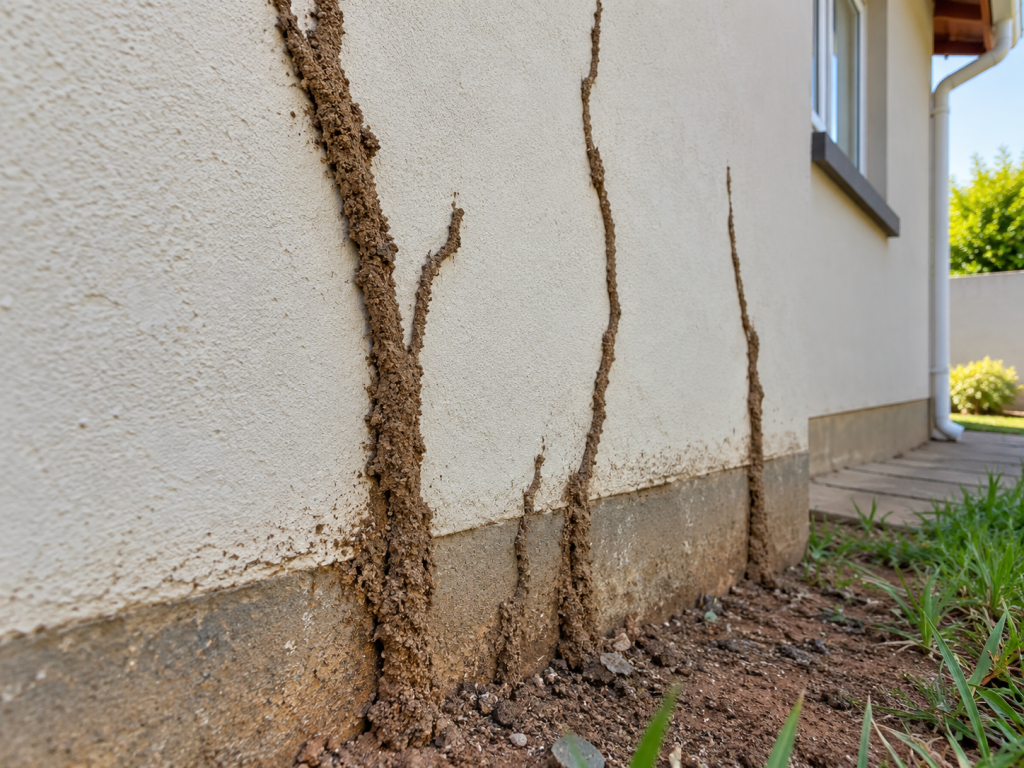
Mud Tubes on Walls
Mud tubes running up walls or foundations can be a sign that termites are travelling between the soil and your property.
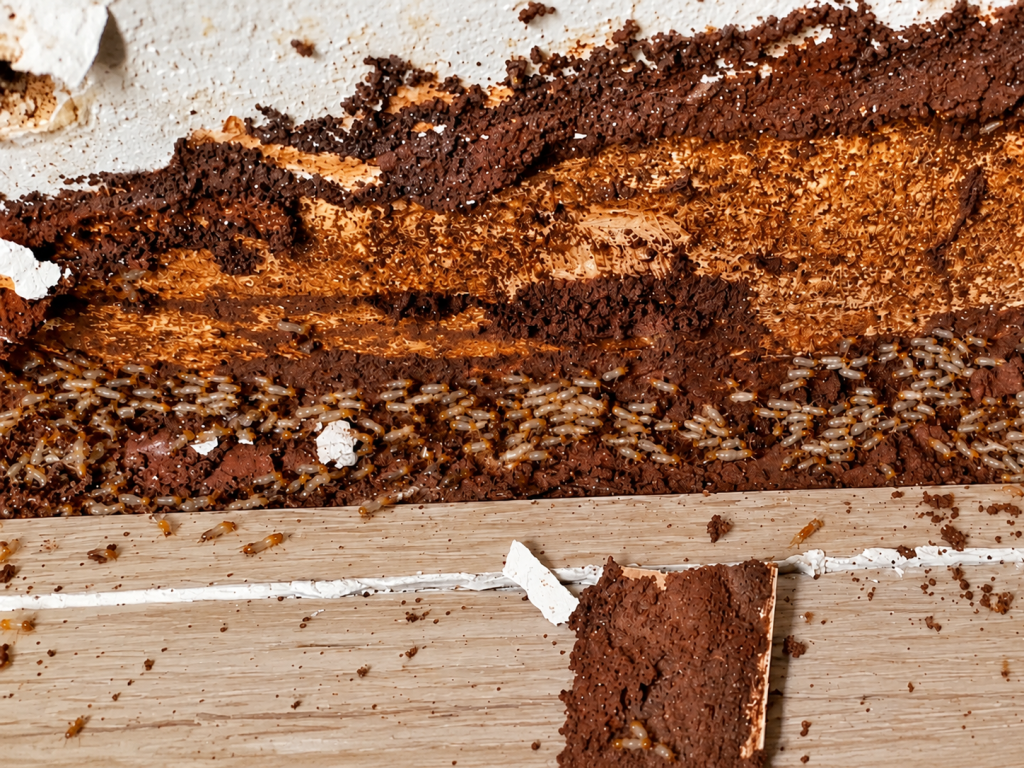
Hollow-Sounding Wood
Wood that sounds hollow when tapped may have been damaged from the inside. Check areas such as door frames, skirting boards and wooden floors.
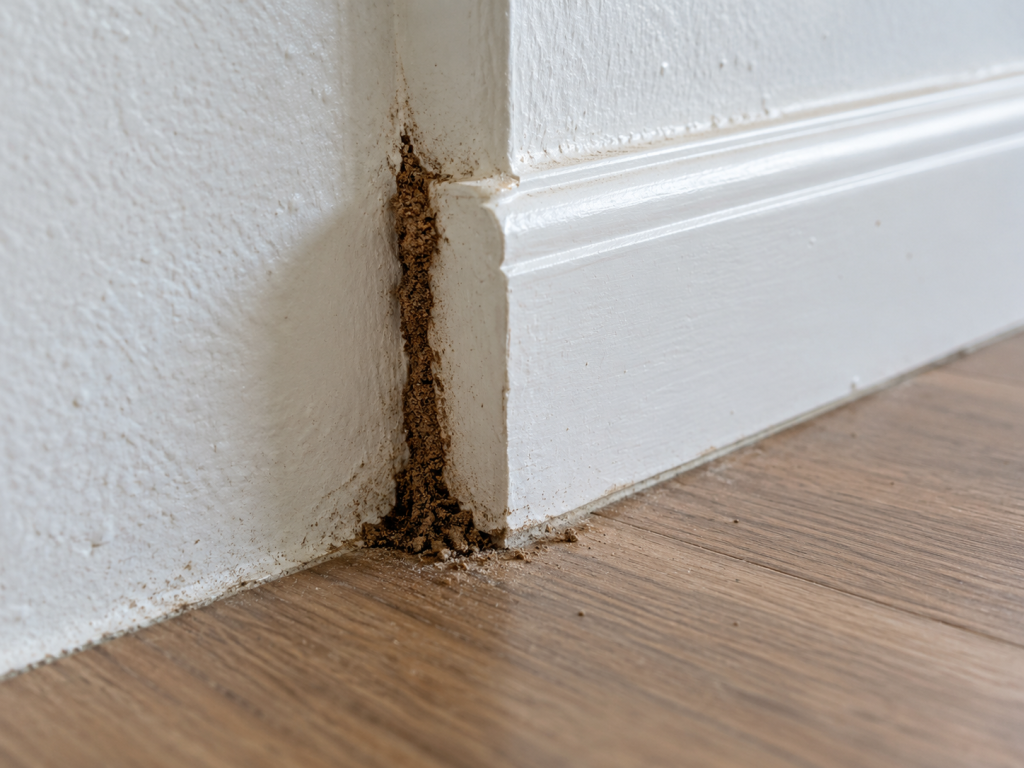
Mud in Cracks and Around Skirting
Soil or mud packed into cracks, skirting boards or door frames can indicate termite activity close to the structure.
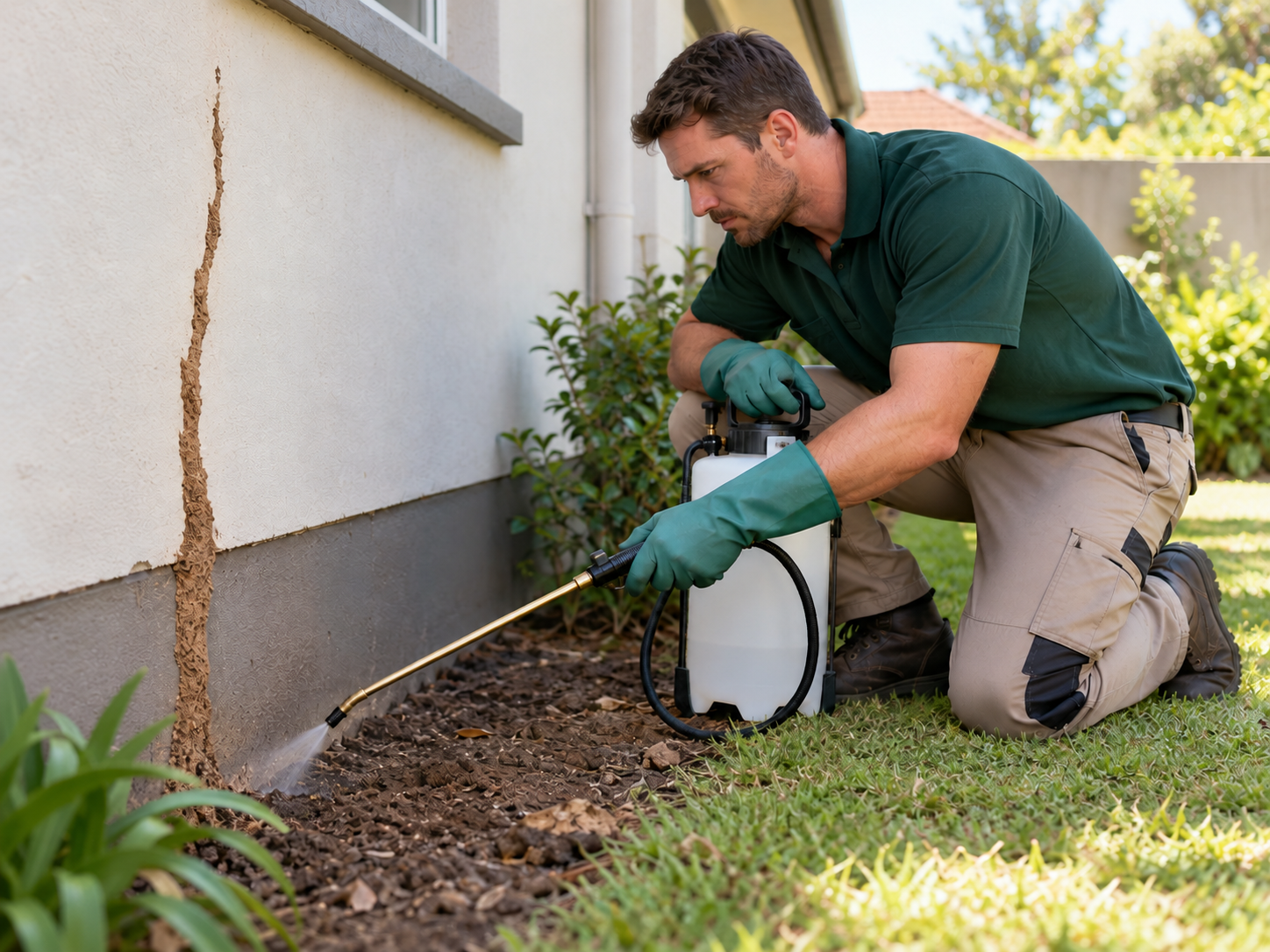
Our Approach to Termite Control
Termites can move from colonies in the soil through small cracks to reach the wood in a building. PurePest’s director has hands-on experience with termite problems beneath established homes.
We use that practical knowledge to assess the signs and recommend an approach suited to your property.
Inspect and Identify
We look for visible signs of termite activity and assess areas where termites may be travelling into the building or reaching wood.
Recommend Targeted Treatment
Based on what we find, we recommend an appropriate treatment for the termite problem and your property.
Advise on Prevention
We help you identify conditions that may encourage termite activity, such as moisture problems or wood in contact with the soil.
Concerned about termites?
Contact PurePest Solutions and take the next step towards protecting your property.
Termite FAQs
How do I know I have termites in my house?
The most common signs are mud tubes running up walls or foundations, wood that sounds hollow when tapped, and soil or mud packed into cracks, skirting boards or door frames.
Can termites damage the structure of my house?
Yes: termites eat wood from the inside out, so they can damage roof timbers, door and window frames, skirting boards and wooden floors without being noticed. They don’t eat brick or concrete, but they travel through small cracks in the foundation and walls to reach the wood. The longer an infestation goes untreated, the more serious the damage becomes, which is why early treatment is important.
How long can termites live in my foundation?
Termites don’t live in the concrete itself, but in colonies in the soil under and around the house, and they use cracks in the foundation to get inside. An untreated colony can survive for many years, and in some cases decades, because the queen keeps producing new termites. The infestation won’t go away on its own, so the colony needs to be treated to stop the damage.
Are termites dangerous to me and my family?
No: termites don’t sting, rarely bite people and don’t carry diseases. The real danger is to your home, because the damage they cause to wooden structures can be costly to repair.
What is the main cause of termites?
Termites occur naturally in the soil, and they move into houses looking for wood to eat and moisture. Damp conditions from leaking pipes, taps, gutters and poor drainage attract them, and wood in contact with the soil, such as wood stacks, building rubble or wooden structures, gives them easy access. Cracks in the foundation and walls then let them get into the house.
Local Pest Control Across Gauteng
We understand the pest problems affecting local properties.
Our team brings targeted treatment and practical prevention advice to homes and businesses across these areas.
- Sandton
- Midrand
- Randburg
- Fourways
- Rosebank
- Northcliff
- Eastern Suburbs
- Centurion